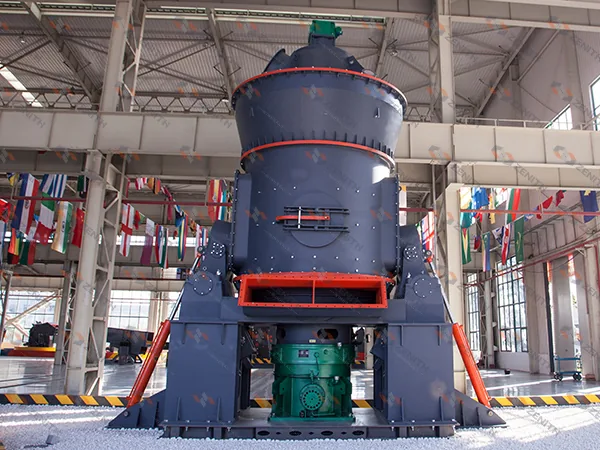
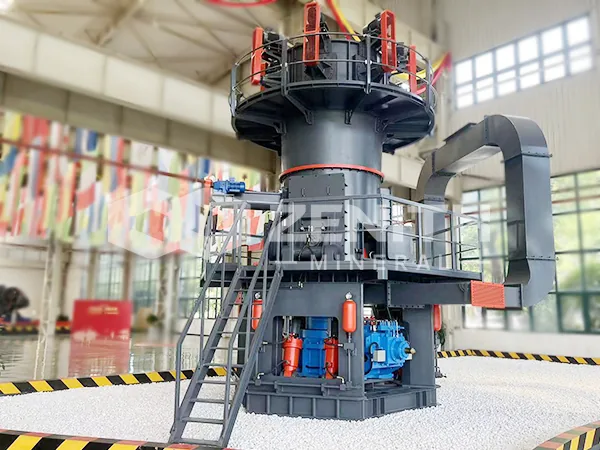
Grinding Equipment for Attapulgite Processing in Vietnam
2025-10-13 15:29:28
Grinding equipment for processing attapulgite in Vietnam is a very specialised requirement. Attapulgite (also known as palygorskite) is a clay mineral with a distinctive fibrous/chain structure. It is more difficult to process than ordinary minerals, which makes equipment selection critically important.
Below is a detailed guide to selecting the technical solution and equipment.
1. Technical difficulties and core requirements of attapulgite processing
Before choosing equipment, you must understand its processing characteristics:
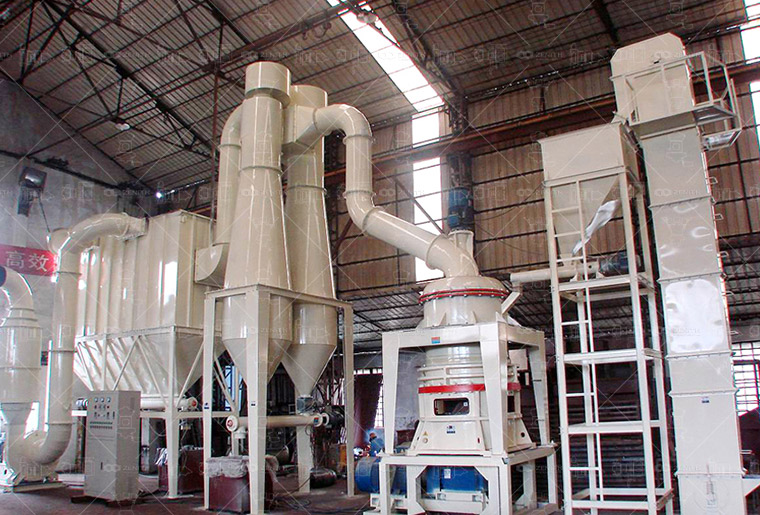
- Fibre separation and preservation: The value of attapulgite lies in its unique three-dimensional lattice structure. Rather than "crushing" it, the ideal grinding action is "de-agglomeration" — dispersing the fibre bundles while preserving the original fibre aspect ratio as much as possible, instead of grinding them down into an amorphous powder.
- Stickiness and moisture: Attapulgite has a large specific surface area and strong adsorption, making it very prone to adhering to the internal walls and piping of the grinding chamber under ultrafine conditions, causing blockages.
- Iron contamination: Iron impurities introduced by equipment wear during processing can seriously affect the purity, whiteness and chemical properties of the product, especially in high value-added applications.
- Heat sensitivity: Mechanical grinding generates heat, and excessive temperature can destroy the crystal structure of attapulgite, affecting its adsorption and colloidal properties.
2. Recommended core grinding equipment
Depending on the target product fineness and application field, the following equipment is recommended:
2.1 For coarse modification and activation pre-treatment (200-800 mesh)
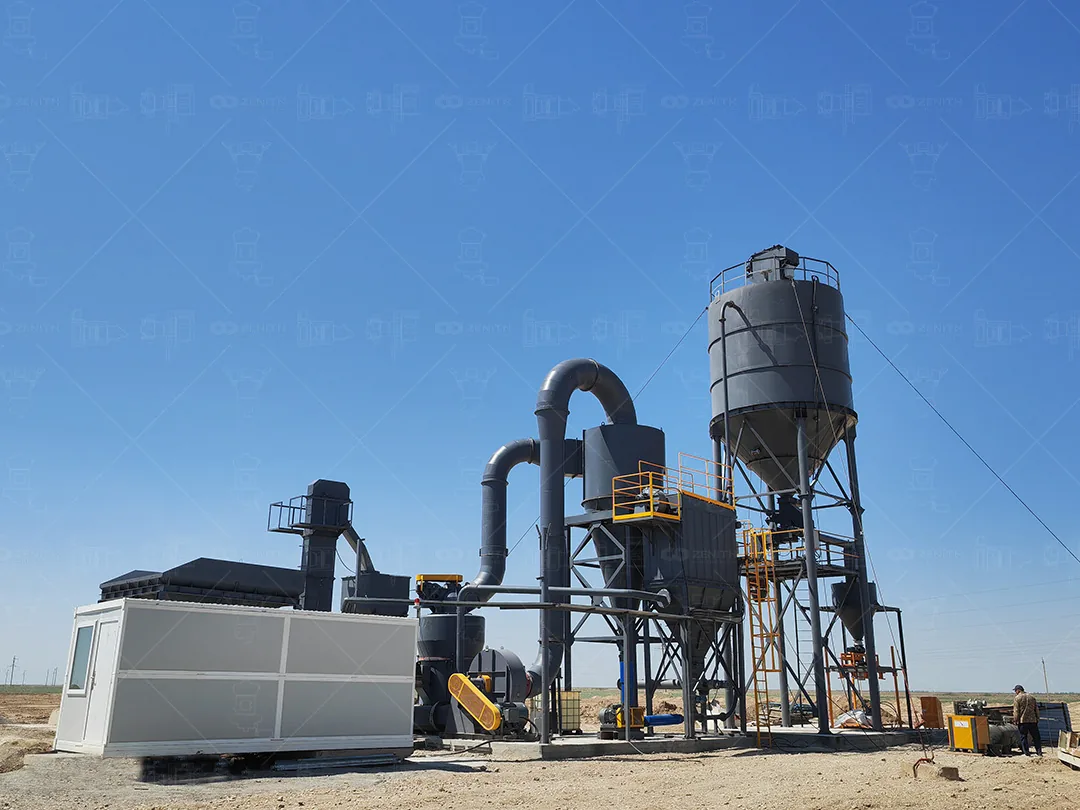
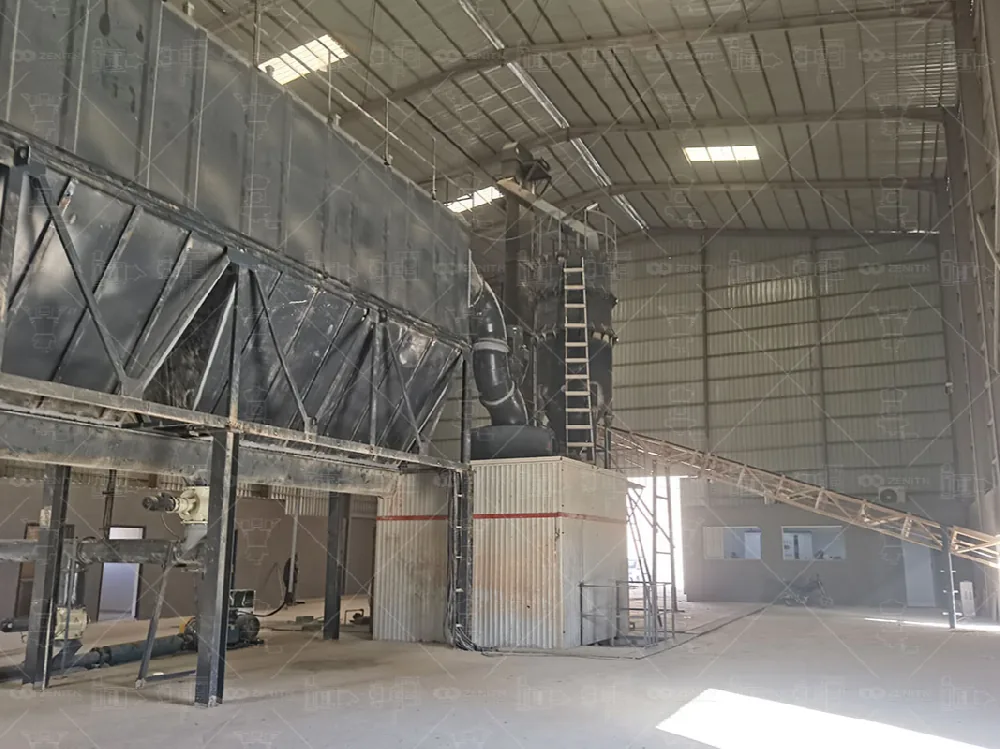
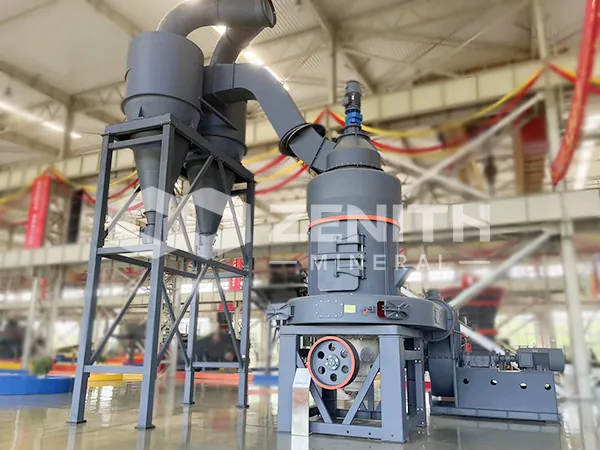
- Recommended equipment: vertical mill or enhanced Raymond mill
- Working principle: Material is ground by the rolling action of the grinding rollers against the grinding disc.
- Advantages:
- With some "shearing" action, it favours the initial separation of fibre bundles, making it more suitable than pure impact grinding.
- Integrated drying: Hot air can be passed through, making it ideal for processing higher-moisture attapulgite, completing drying and grinding at the same time.
- Large output and high energy efficiency.
- Application scenarios: Used to produce mid- and low-grade products in fields such as soil improvement, drilling mud, fertiliser carriers and other requirements where the fibre structure is not critical.
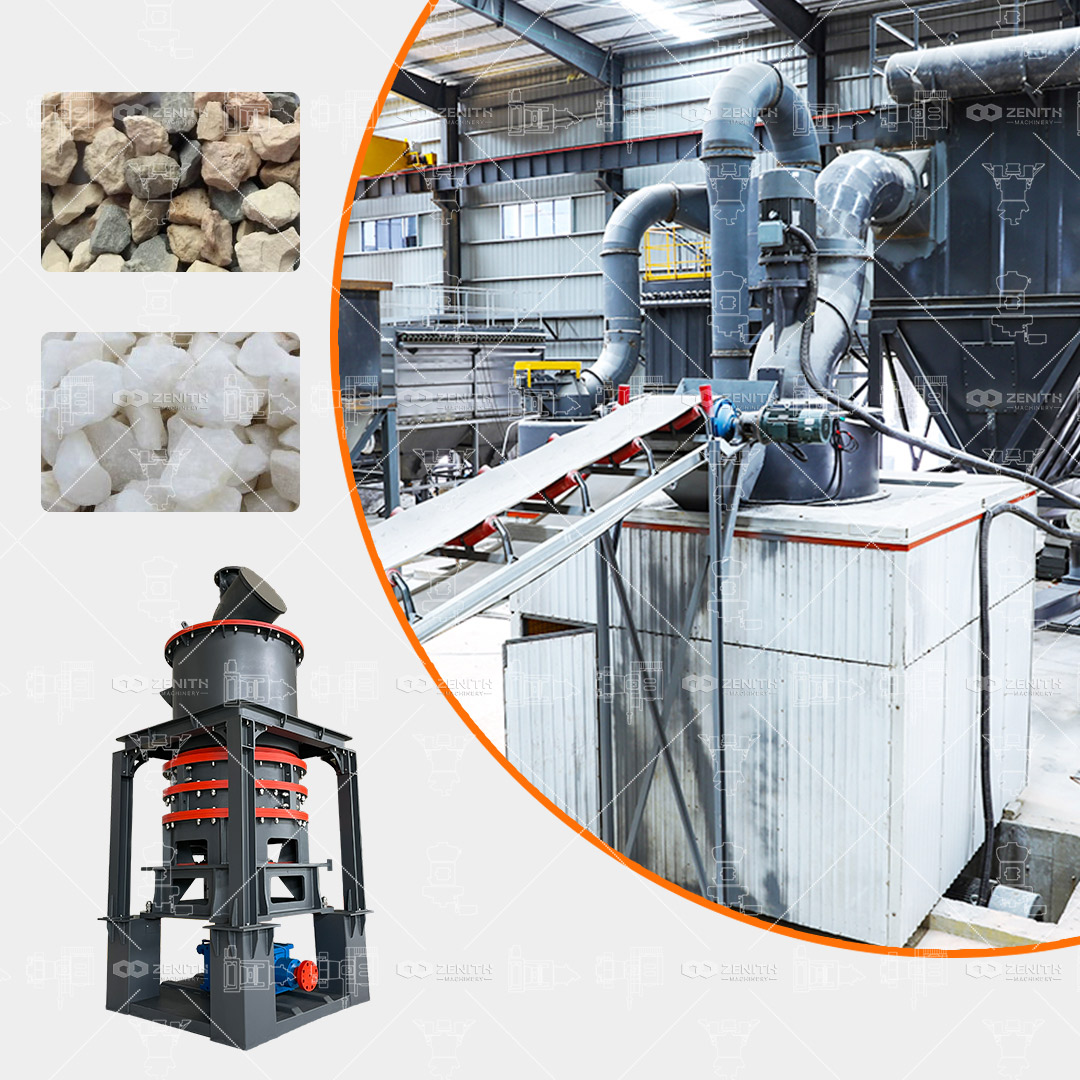
2.2 For fine processing and high value-added products (800-2500 mesh and above)
- Recommended equipment: mechanical impact mill or ring roller micro powder mill
- Working principle: Material is impacted by high-speed rotating hammers or blades, combined with an integrated classifier to separate qualified products in good time.
- Advantages:
- Strong impact and shear force: Very suitable for separating and dispersing fibrous materials.
- Better heat dissipation: Air cooling keeps the system temperature rise under control, which helps protect the crystal structure.
- Flexible fineness adjustment.
- Application scenarios: Used to produce ultrafine attapulgite powder for paints, oil decolourising agents, catalyst carriers and similar applications.
2.3 For advanced applications requiring extremely high purity and value
- Recommended equipment: air jet mill
- Working principle: Supersonic air flow causes the material particles to collide with each other and rub against each other, achieving size reduction.
- Advantages:
- No grinding media wear: Virtually no abrasion, completely avoiding iron contamination and achieving extremely high purity.
- Low-temperature grinding: Expanding compressed gas absorbs heat, keeping the internal temperature of the mill low and perfectly protecting the crystal structure.
- Narrow product particle size distribution and good particle shape.
- Disadvantage: The highest energy consumption and the highest cost.
- Application scenarios: Premium cosmetics, pharmaceuticals, food-grade and other high-purity attapulgite products.
3. Complete line configuration and equipment requirements
A modern attapulgite processing plant has more than one main grinding machine. The key equipment and its requirements are as follows:
| No. | Equipment | Function and requirements |
|---|---|---|
| 1 | Jaw crusher | Dries and crushes the raw ore into small pieces and reduces moisture to a level suitable for grinding (for example <2%). |
| 2 | Electromagnetic vibrating feeder, belt conveyor | Ensures stable and uniform feeding to the mill, the basis of stable production. |
| 3 | Vertical mill / mechanical impact mill / air jet mill | Select the core machine based on the analysis above. Key requirements: resistance to contamination and good heat dissipation for the wear parts. |
| 4 | High-precision turbo classifier | Matched to or integrated with the mill to precisely control the finished product fineness and separate qualified products. |
| 5 | Multi-stage strong magnetic separator (iron removal) | Very important. Multi-channel magnetic separation (for example before and after grinding) must be installed in the process to ensure product whiteness and purity. |
| 6 | High-efficiency pulse bag filter | Collects the finished powder, with a collection efficiency >99.9%. The filter bag material must be oil-resistant. |
| 7 | Automatic packing machine, bulk bag packing machine | Realises automatic packing and reduces manual contamination and dust. |
| 8 | PLC central control system | Achieves one-key start and stop, sequence control and parameter monitoring, ensuring stable production and consistent product quality. |
4. Specific advice for customers in Vietnam
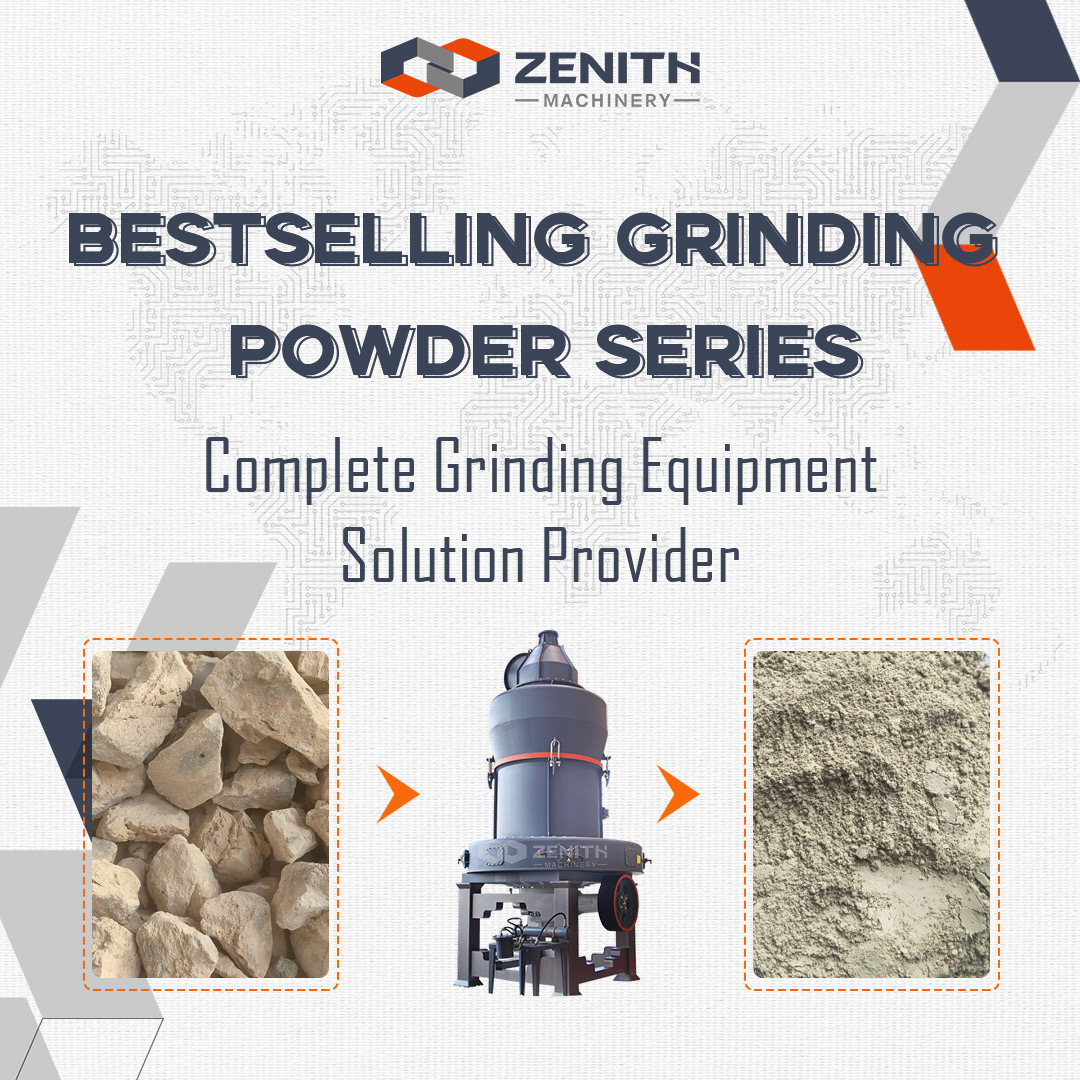
- Prefer experienced suppliers: Attapulgite is not an ordinary mineral, so you must choose an equipment supplier with successful cases involving similar materials (such as sepiolite, fibrous silica, etc.). Leading Chinese companies such as Zenith Machinery, Dawn Heavy Industries and Shanghai Shibang all have relevant experience.
- Follow the "test first" principle: It is absolutely not advisable to order equipment based on experience alone. Be sure to provide 50-100 kg of representative raw ore to the intended suppliers for a free grinding test. Evaluate based on the test report:
- Can the target fineness be achieved?
- What is the power consumption per unit of product?
- What is the microscopic shape of the finished product? Are the fibres effectively separated?
- How do the whiteness and iron content of the product change?
- Focus on wear resistance and anti-sticking capability:
- Material of the wear parts: Require that the grinding rollers and grinding disc use ceramic composite materials or be given special alloy surfacing, to minimise iron contamination.
- Anti-sticking design: Ask the supplier whether special treatment (for example flow optimisation, mirror polishing, special coatings) is available for the internal walls of the grinding chamber and the piping, to prevent material adhesion.
- Consider a "modular" or "EPC turnkey" package: If your own engineering resources are limited, give priority to suppliers that can provide a turnkey project from process design and equipment manufacturing through to installation and commissioning, which can significantly reduce project risk.
Conclusion
For equipment selection for an attapulgite processing project in Vietnam, the core idea is: determine the fineness and purity requirements according to the positioning of your target product market (mid-range/high-end) → choose the most suitable grinding principle through sample testing (vertical grinding / impact grinding / air jet grinding) → configure a high-efficiency classifier and a multi-stage iron removal system → select a reliable supplier with experience that can provide an anti-sticking and anti-contamination solution.
Start taking action today — contact the leading manufacturers and arrange testing. This is the most important first step towards the success of your project.