Process for Preparing Wood-Based Activated Carbon
2025-10-22 15:39:48
Below is a detailed description of the process for preparing activated carbon from wood, compiled from the latest technical documents and patents.
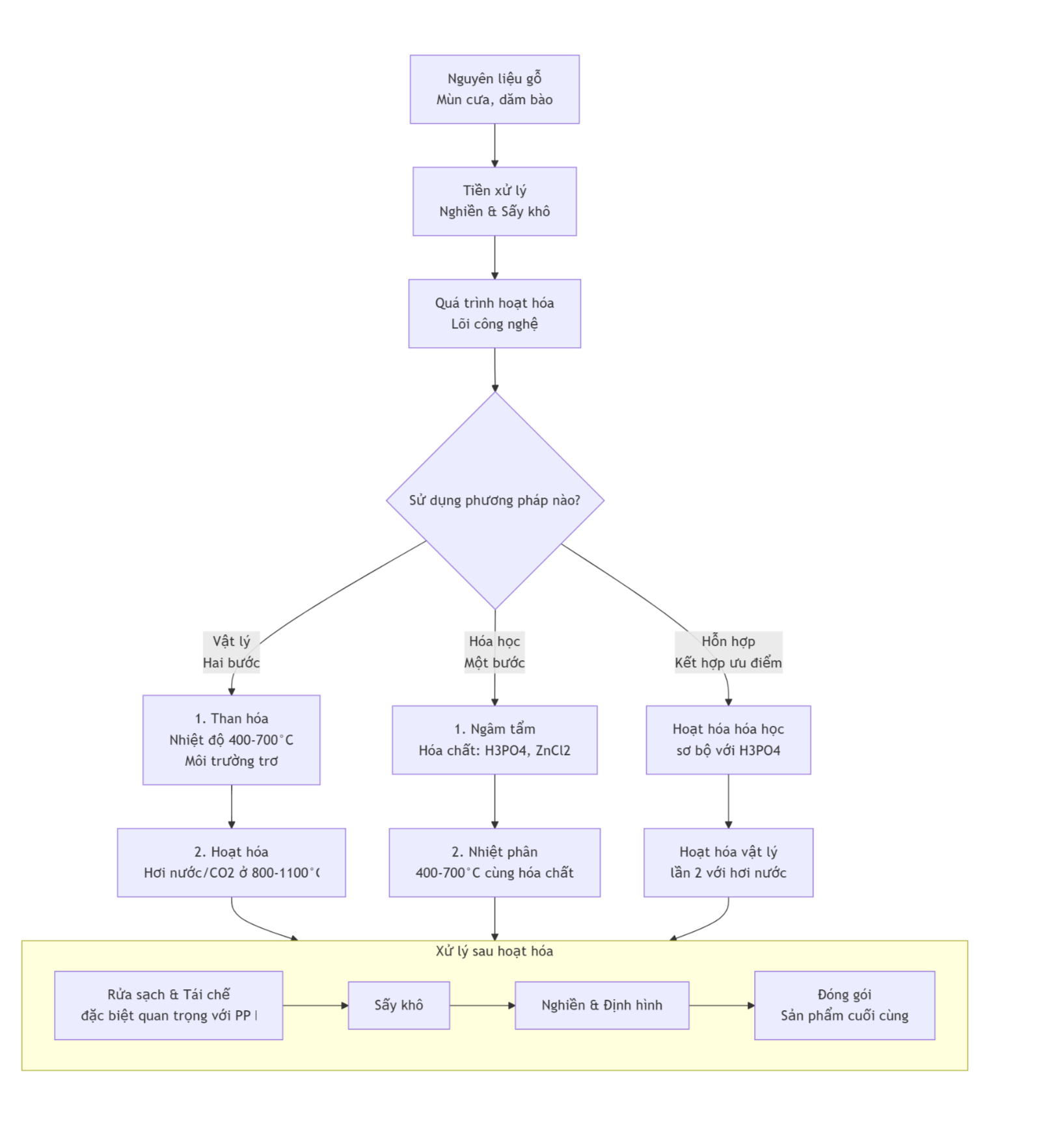
To give you the clearest overview, the entire wood-based activated carbon production process (also known as wood activated carbon) is summarised in the diagram below:
Detailed explanation of each stage
The following is a detailed analysis of each step in the diagram above.
1. Raw material pre-treatment
The purpose is to prepare the raw material for the subsequent activation process.
- Crushing and fine grinding: Wood, sawdust or bark is crushed to a suitable size (usually from a few millimetres to a few centimetres). This increases the surface area and helps the activation process proceed more uniformly and efficiently.
- Screening: The crushed material is classified to remove particles that are too large or too small, ensuring a uniform size.
- Drying: The material is dried to reduce its moisture content. Excessive moisture wastes energy and can affect the activation process.
Some advanced technologies described in patents also involve low-temperature pre-pyrolysis and ultrafine grinding of the raw material. This approach helps expand the pore structure, allowing chemicals (such as phosphoric acid) to penetrate more deeply and be recovered more thoroughly, while also concentrating the pore size distribution of the finished product and increasing the strength of the carbon pellets.
2. The activation process (the core stage)
This is the key step in creating the porous structure of activated carbon. There are three main methods:
A. Physical method (two-step method)
- Step 1 – Carbonisation: The dried raw material is heated in an inert atmosphere (nitrogen gas, steam) at high temperature (usually 400-700 °C). This process removes volatile components (such as water, tar and acid gases), forming "non-activated char" with a preliminary porous structure and weak adsorption capacity.
- Step 2 – Activation: The "non-activated char" is treated at a still higher temperature (usually 800-1100 °C) with an oxidising agent such as steam, carbon dioxide (CO₂) or air. These agents selectively etch the carbon surface, enlarging and connecting the existing pores while creating countless new micropores, forming the extremely large surface area characteristic of activated carbon.
B. Chemical method (one-step method)
- Impregnation: The raw material is mixed and impregnated with a chemical solution. The activation chemicals commonly used are:
- Phosphoric acid (H₃PO₄): The most common, suitable for wood and bark raw materials, helping to create a large number of pores.
- Zinc chloride (ZnCl₂): A traditional method, but it is gradually being phased out due to environmental concerns.
- Pyrolysis: The chemical-impregnated mixture is heated directly in an inert atmosphere at a medium temperature (usually 400-700 °C). The chemical then acts as a dehydrating agent and prevents the formation of tar, while directly influencing the carbon network structure, efficiently creating pores in a single step.
C. Combined method (physical + chemical)
This method combines the advantages of both approaches above. A typical example described in patents is:
- Preliminary chemical activation: First, the raw material is activated with phosphoric acid (H₃PO₄).
- Secondary physical activation: The product is then activated a second time with steam.
- This combined method produces a product with a better-controlled pore structure and a very high adsorption value (such as iodine number).
3. Post-activation treatment
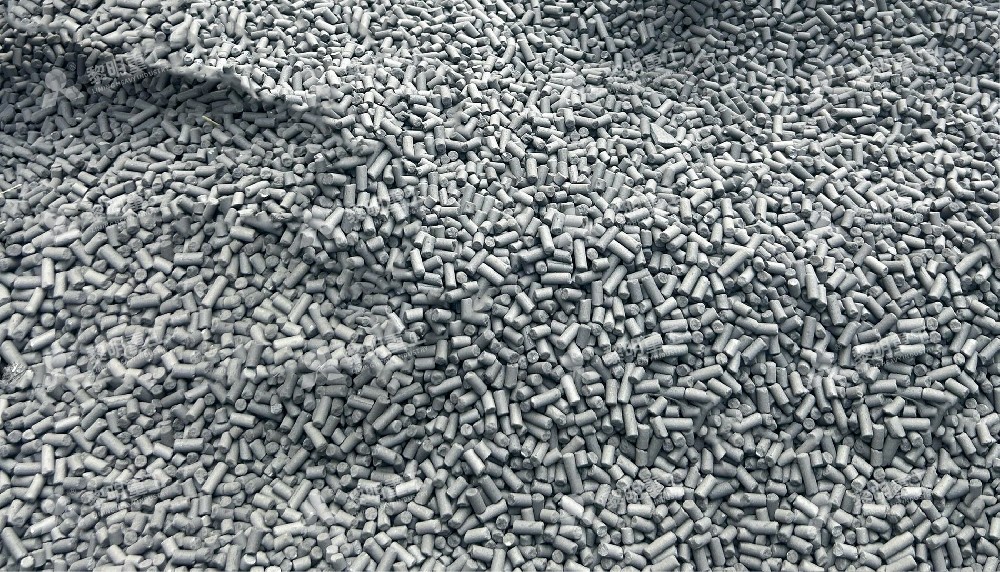
The product after activation ("activated char") must be treated before it becomes the final product.
- Washing:
- With the chemical method, this is a mandatory step to completely remove residual activation chemicals (such as phosphate salts and zinc) by washing with water or dilute acid, and the chemicals can also be recovered.
- With the physical method, a preliminary wash is usually needed to remove ash and impurities and improve product purity.
- Chemical recovery: Particularly important in the chemical process, helping to reduce costs and minimise environmental pollution.
- Drying: The washed carbon is dried (for example with a centrifuge or dryer) to reach the standard moisture content (usually <10%).
- Grinding and shaping: Depending on the application, the activated carbon can be ground into powder of various particle sizes, or given an additional shaping step (pressing with a binder) to produce granular or pelletised forms.
- Packing: The final product is packed in sealed containers to prevent it from absorbing moisture and other substances from the air, for storage and sale.
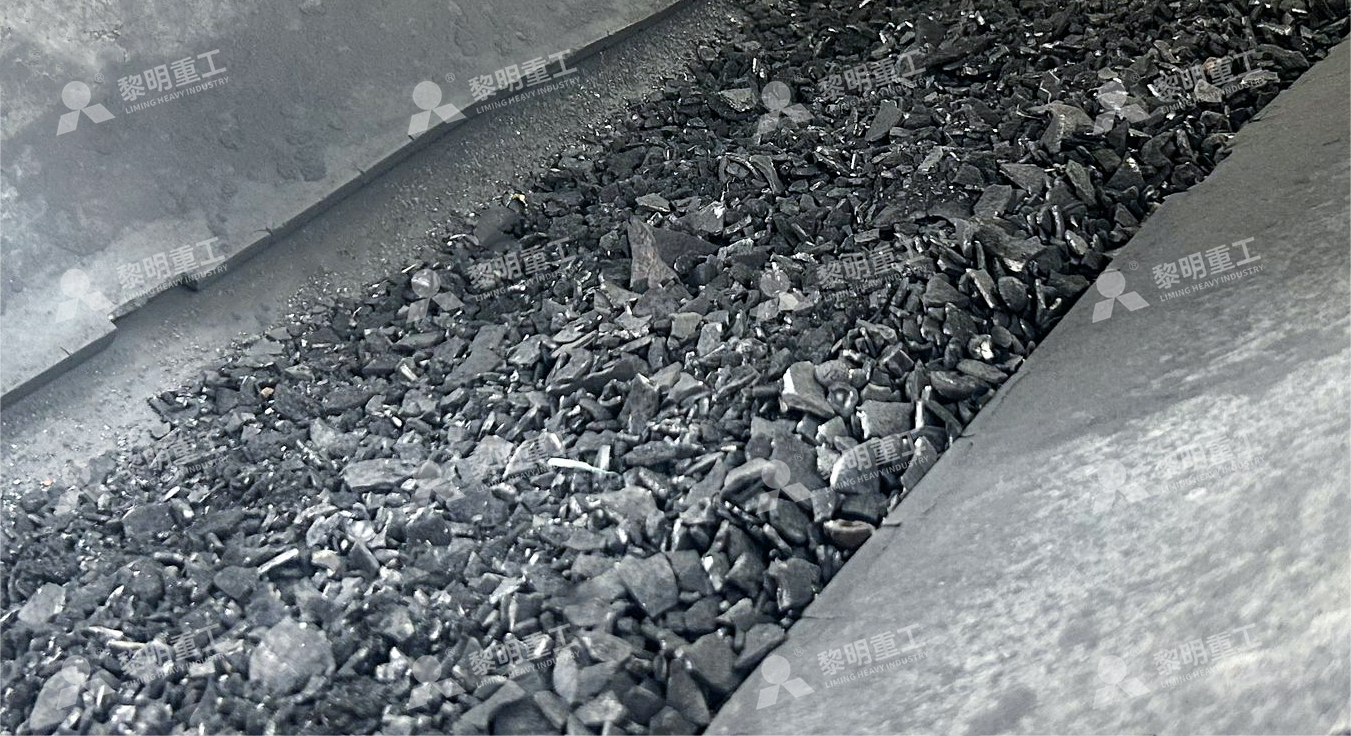
Applications of wood-based activated carbon
Thanks to its diverse porous structure and large surface area, wood-based activated carbon is widely used in:
- Water treatment: Purifying drinking water, industrial and municipal wastewater.
- Waste gas and air treatment: Deodorisation and removal of volatile organic compounds (VOCs).
- Bleaching and refining: In the food industry (purifying sugar and edible oil) and in pharmaceuticals.
- Recovery of gold and other precious metals.
- Catalyst carriers in chemical reactions.
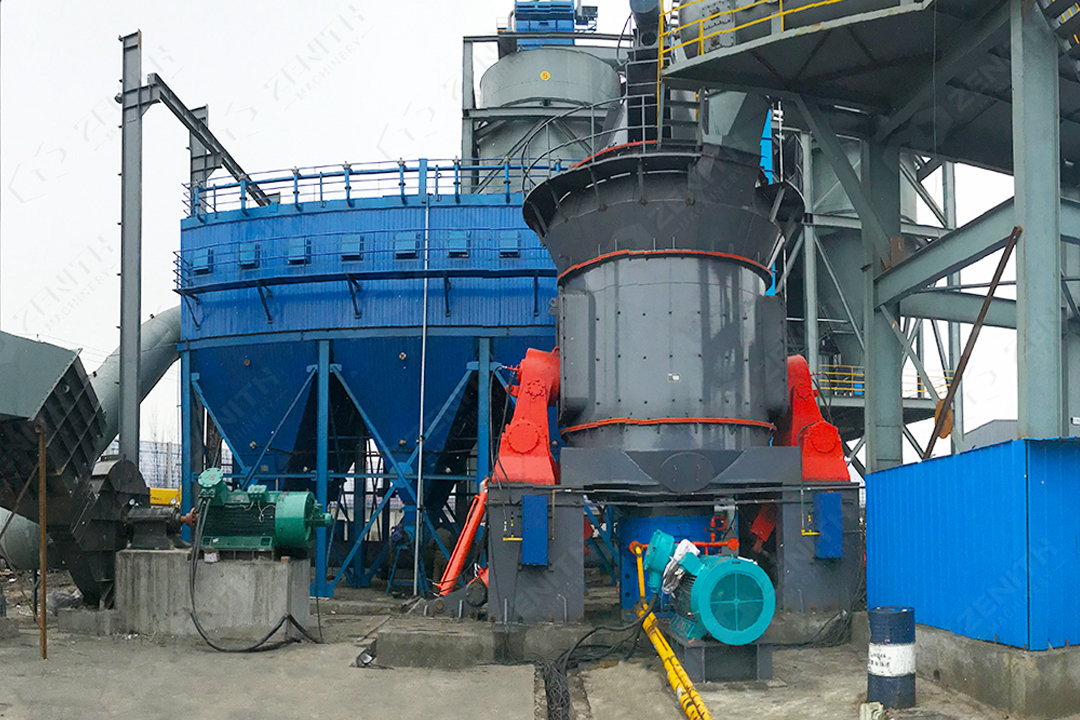
We hope this detailed article has given you a comprehensive understanding of the process for producing activated carbon from wood. If you are interested in any specific aspect (for example detailed technical parameters or the equipment used), please do not hesitate to ask.